Colobus Monkeys in a Multilevel Society Show Frequent Adult Male Same-Sex Sexual Behavior with High Recurrence and Low Constraint
Anderson, K.A., Adams, F.V. & Teichroeb, J.A. (2026). Arch Sex Behav .
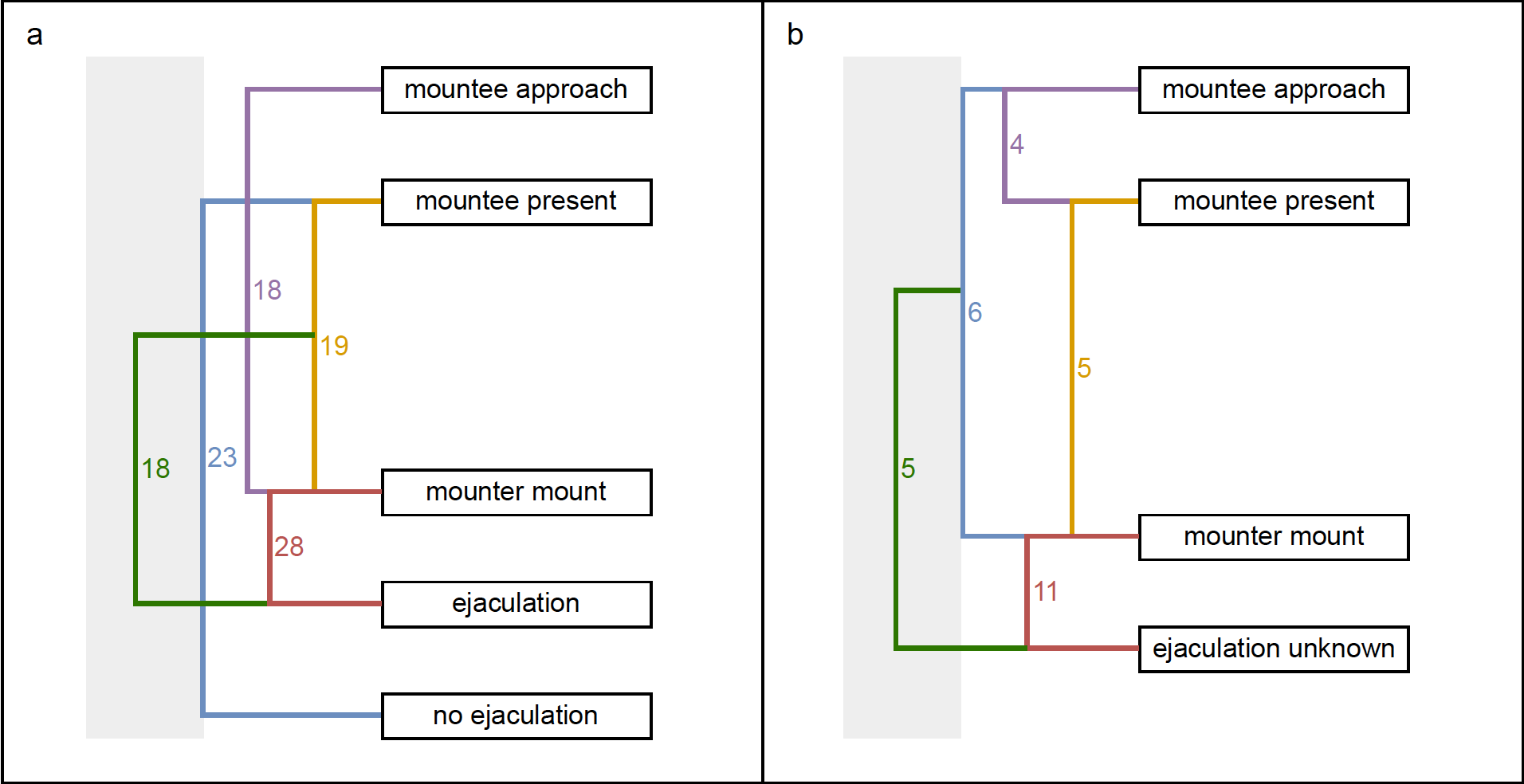
The study of same-sex sexual behaviour (SSB) has gained some attention in recent years, allowing us to reconsider our understandings of its evolution and adaptive value. Using temporal-pattern analysis (TPA), we compared behavioral patterns of SSB and different-sex sexual behavior (DSB) in Rwenzori Angolan colobus monkeys. While rates of DSB were higher than SSB, their expression among age-sex classes trended similarly. Compared to closely related species, Rwenzori Angolan colobus engage in higher rates of SSB at older ages. TPA revealed that SSB and DSB patterns were similar, but patterns repeated more frequently for SSB than DSB. Our results suggest that SSB could be functional in Rwenzori colobus. We suggest that SSB among adult males in this subspecies may be adaptive if it promotes male social bonding within their multilevel society where more than half of the core units are multimale, multifemale.
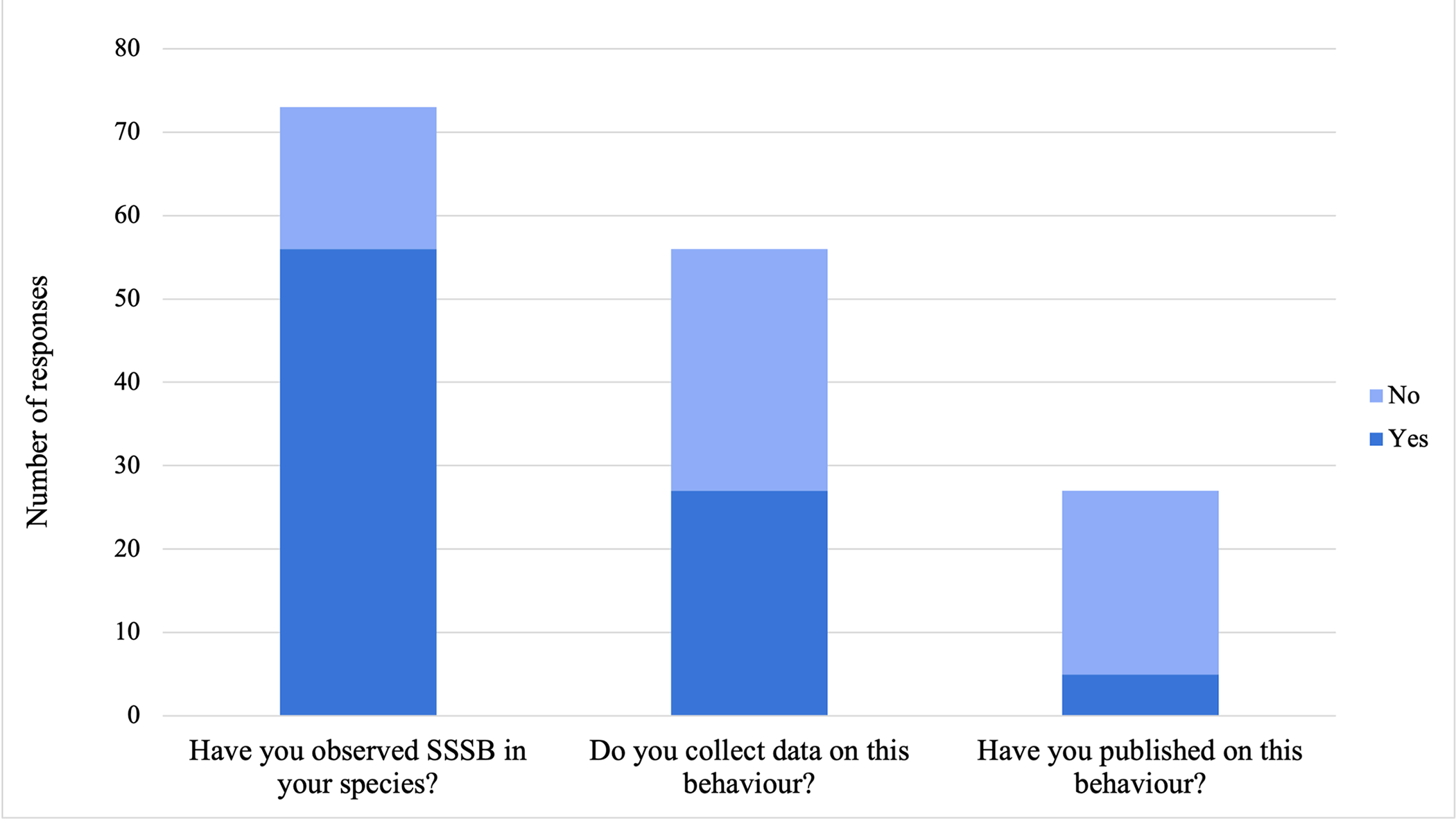
Same-sex sexual behavior among mammals is widely observed, yet seldomly reported: Evidence from an online expert survey.
Anderson, K. A., Teichroeb, J. A., Ramsay, M. S., Bădescu, I., López-Torres, S., & Gibb, J. K. (2024). PLoS ONE.
Same-sex sexual behaviour (SSSB) occurs in most animal clades, but published reports are largely concentrated in a few taxa. Thus, there remains a paucity of published reports for most mammalian species. We conducted a cross-sectional expert survey to better understand the underlying reasons for the lack of publications on this topic.
How can we apply decision-making theories to wild animal behavior? Predictions arising from dual process theory and Bayesian decision theory
Teichroeb, J. A., Smeltzer, E. A., Mathur, V., Anderson, K. A., Fowler, E. J., Adams, F. V., … & Arseneau‐Robar, T. J. M. (2023). AJP.
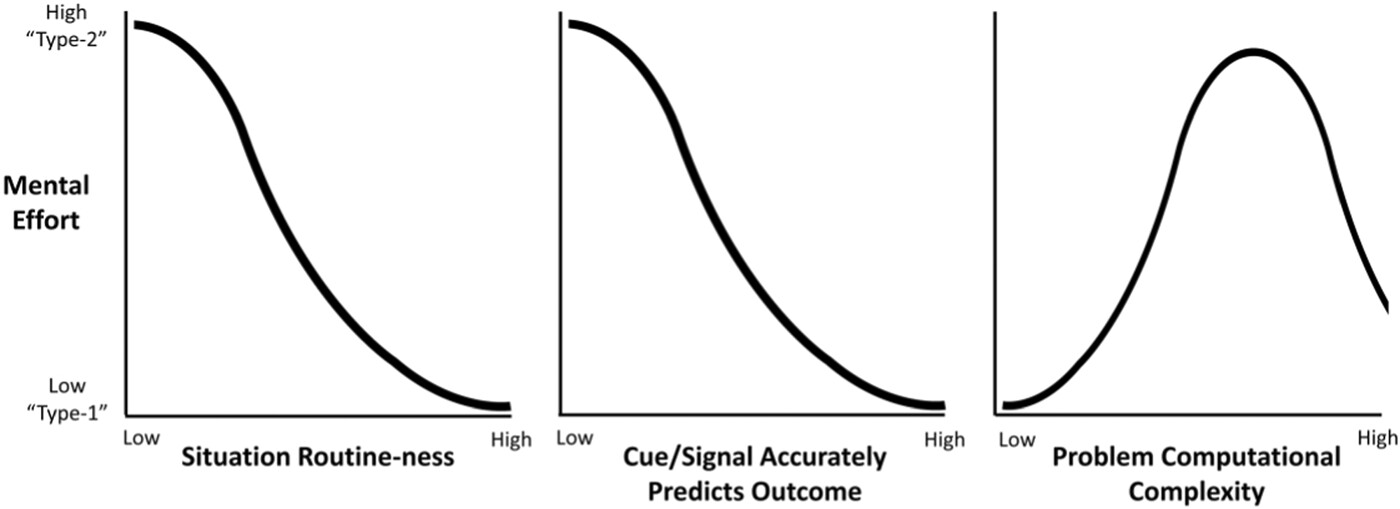
Our understanding of decision-making processes and cognitive biases is ever increasing, thanks to an accumulation of testable models and a large body of research over the last several decades. The vast majority of this work has been done in humans and laboratory animals because these study subjects and situations allow for tightly controlled experiments. However, it raises questions about how this knowledge can be applied to wild animals in their complex environments.
Monkeys who experience more competition utilize social information to learn foraging skills quicker.
Arseneau-Robar, T.J.M., Anderson, K.A., Sicotte, P.., Teichroeb, J.A. (2023). Sci. Reports.
Animals must learn foraging skills to successfully survive and reproduce but the sources of interindividual variation in learning are poorly understood. For example, there is little consensus on the role motivation plays, even though it is a key factor impacting learning outcomes in humans.
Think Fast!: Vervet Monkeys Assess the Risk of Being Displaced by a Dominant Competitor When Making Foraging Decisions
Arseneau-Robar, T.J.M., Anderson, K.A., Vasey, E.N., Sicotte, P., Teichroeb, J.A. Front. Ecol. Evol.
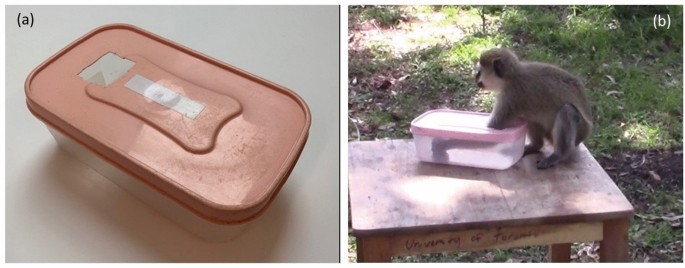
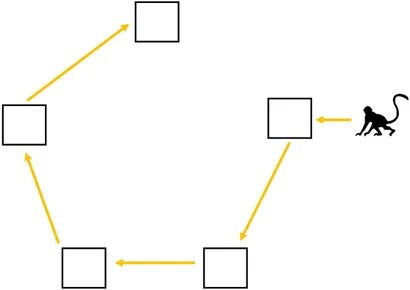
Foraging animals need to quickly assess the costs and benefits of different foraging decisions, including resource quantity, quality, preference, ease of access, dispersion, distance, and predation risk. Social animals also need to take social context into account and adapt foraging strategies that maximize net resource intake and minimize contest competition with conspecifics. We used an experimental approach to investigate how social context impacts wild vervet monkey (Chlorocebus pygerythrus) foraging decisions in a multi-destination pentagon array.
Masturbation, Primates: Sexual Selection Hypothesis.
Anderson, K.A. (2023). In: Shackelford, T.K. (eds) Encyclopedia of Sexual Psychology and Behavior. Springer, Cham.
Masturbation is the most common sexual activity in humans and occurs in all major radiations of living anthropoid primates. Research on the potential adaptive benefits of masturbation in animals have focused on primates due to the frequency of masturbation in this clade. While masturbation has been recorded in many mammalian species, within primates, masturbation occurs somewhat regularly .
Orgasm: Mate Choice Theory
Anderson, K.A. (2023). In: Shackelford, T.K. (eds) Encyclopedia of Sexual Psychology and Behavior. Springer, Cham.
Within evolutionary biology, most research on the adaptive value of orgasm has focused on the potential evolutionary explanations for female orgasm. Many hypotheses have been proposed to explain female orgasm in humans (see entries in this encyclopedia for the by-product hypothesis: orgasm, masculinity: female orgasm, orgasm as pair-bond, and paternity certainty: female orgasm). The by-product hypothesis proposes that female orgasm is a by-product of male orgasm. This hypothesis has received considerable support due to the necessity of male orgasm for reproduction, and the homologous structures of the penis and clitoris, and their role in sexual pleasure. However, the by-product hypothesis has experienced considerable pushback within feminist evolutionary biology due to its oversimplification of the physiological complexity of the female orgasm and the maintenance of this trait if it is non-functional. In subsequent years, the mate choice theory for female orgasm gained popularity due to its ability to explain the maintenance of female orgasm as a functionally significant adaptation for female primates.
 karyn anderson